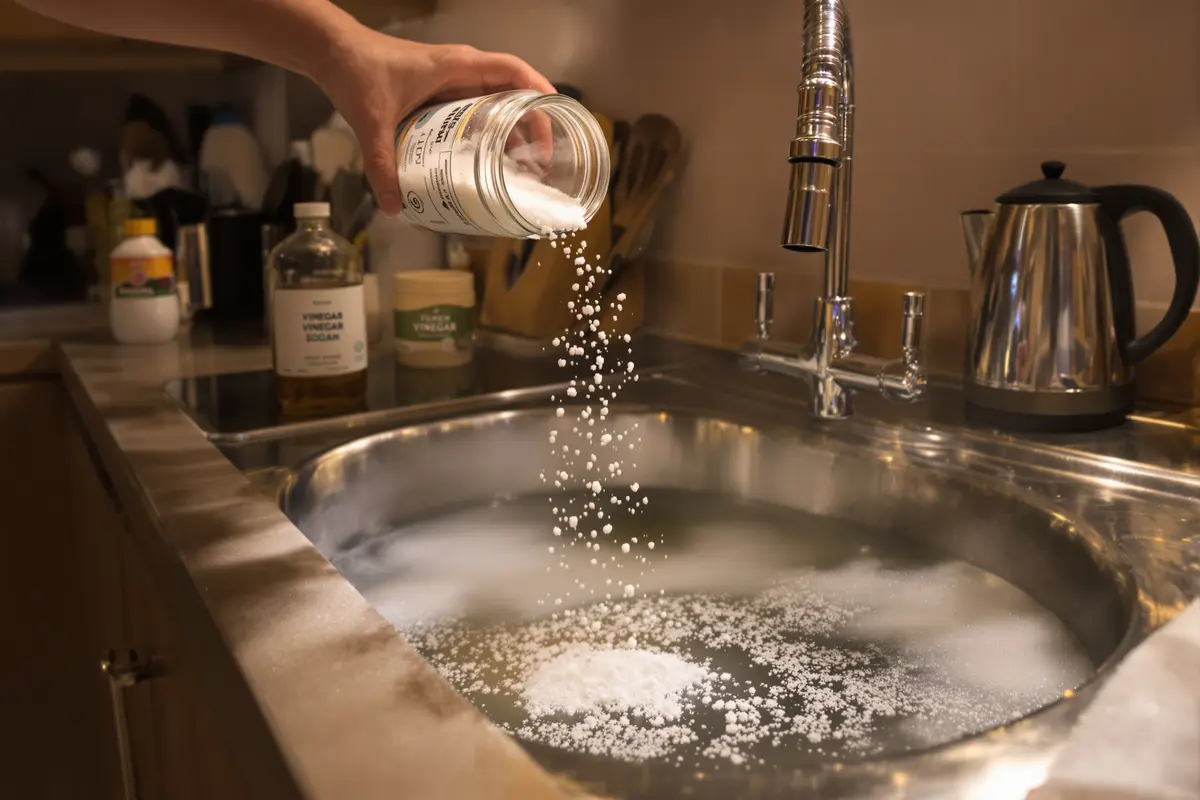
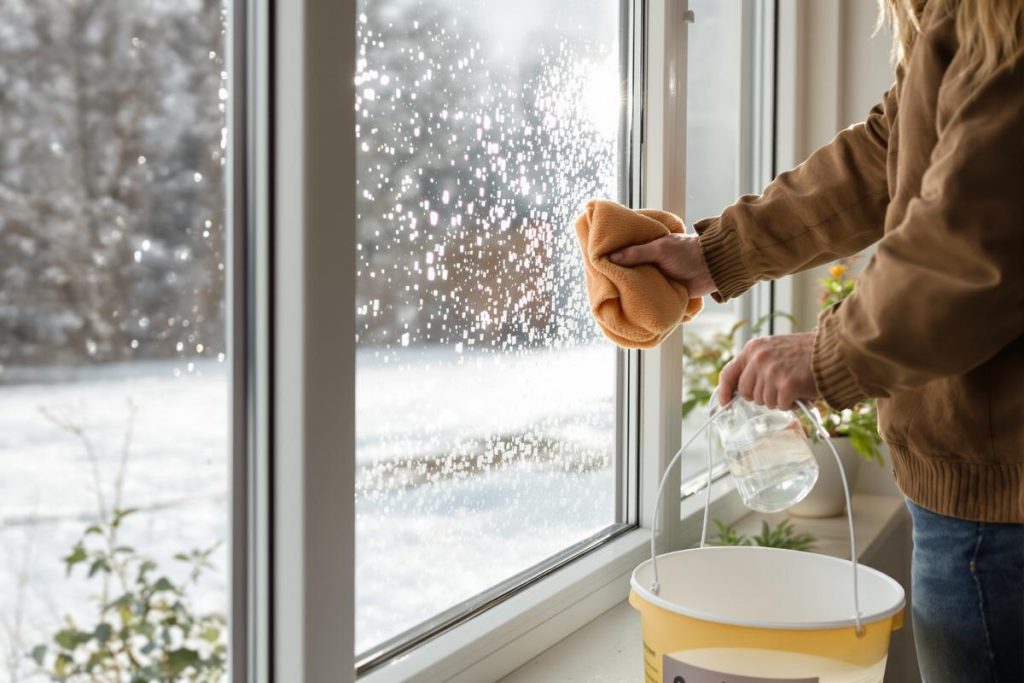
Dirty windows in winter are more than just an eyesore—they make your whole space feel gloomier. Cold air, greasy rain, pollution and leftover condensation add up fast. But what if just one spoonful of a common kitchen product could make your windows stay clean—and resist grime for weeks?
It sounds too simple to work… until you try it. Let’s break down how this tiny trick makes a big difference, even in harsh weather.
Why winter windows get grimy faster
Winter dirt behaves differently from summer dust. The mix of cold air, low sunlight, and indoor heating creates the perfect storm for streaky, dull windows. Here’s what’s going on:
- Heating dries the air, causing static that pulls dust to windows fast.
- Rain mixed with traffic fumes leaves oily smears that don’t wipe away easily.
- Condensation traps minerals and soap residue along window edges.
- Low-angled sun reveals every little mark, especially in the morning.
Even if you clean them, many glass sprays leave behind tiny residues. Those microscopic layers actually attract more dirt quickly. That’s where the spoonful method shines.
The secret: 1 spoonful of dish soap
Professional window cleaners across the UK, US, and Europe rely on a simple mix: warm water, a tiny bit of unscented dish soap, and a microfiber cloth. That’s it. No fancy chemicals, no big expenses.
Just 1 teaspoon of dish soap mixed into a standard bucket (around 5 litres or 1.3 gallons) of warm water is enough. The reason it works so well? Dish soap is a surfactant. It breaks the water’s surface tension so the water spreads across the glass evenly instead of forming droplets that leave marks when they dry.
Plus, it leaves behind a micro-thin barrier that helps prevent future grime from clinging.
Get the mix just right
This trick only works when you keep the mix super light. More soap doesn’t help—in fact, it creates foam, streaks and cloudiness that defeats the purpose. Here’s how to get the balance right:
| Bucket Size | Water Temperature | Dish Soap Amount |
|---|---|---|
| 5 litres / 1.3 gallons | Warm, not hot | 1 level teaspoon |
| 10 litres / 2.6 gallons | Warm, not hot | 2 level teaspoons |
Tip: The water should feel slightly silky, not bubbly. If bubbles cling to the side of your bucket, it’s too much soap.
How it keeps windows clearer for longer
Done right, this single wash can keep your glass looking good for weeks. Here’s why it works so well:
- Cleaner rinse: The water spreads evenly, lifting grease and grime more effectively.
- Less residue: Fewer sticky spots means dirt has fewer places to grab onto later.
- Smoother surface: That slippery clean glass makes it harder for pollutants to stick around.
- Better squeegee glide: One smooth pass removes more water, reducing static and future streaks.
Step-by-step: the long-lasting winter clean
Want to stretch one session across the season? Follow these five simple steps:
Step 1: Pre-clean frames and sills
Use a soft brush or dry cloth to remove loose dirt. Don’t skip this, or mud will dirty up your washing water right away.
Step 2: Mix your solution
Fill your bucket with warm water. Add just one level spoon of unscented dish soap and stir gently. Don’t whip it into bubbles.
Step 3: Apply with microfiber cloth
Soak the cloth or pad, wring lightly, and wipe from top to bottom. Focus on edges—condensation collects minerals there.
Step 4: Glide your squeegee
Hold the squeegee at a slight angle and make long, clean passes. Wipe the rubber blade with a cloth after each stroke.
Step 5: Minimal touching to finish
Use a dry cloth only around the edges. Avoid rubbing the entire pane—it introduces static that pulls dust right back.
How to adapt for different environments
In cities or near roads
Traffic grime can be tough. Do a quick pre-wash with warm water alone to remove oily buildup. Some pros add a small splash of vinegar—it helps fight hard water stains on upper windows.
Coastal homes
Salt spray leaves tiny crystals that scratch glass. Rinse with plain water first. Soap works better after that. Ventilate rooms more often—salt-laden air fogs up clean windows fast.
Cold regions
Below freezing, washing gets tricky. Most professionals do a final clean in late autumn, then stop. Indoors, use a dry microfiber cloth for touch-ups until spring.
What to avoid
Not all cleaning products are helpful. Some can actually make things worse:
- Perfumed or colored soaps may leave smears over time.
- Wax polishes create rainbow films and can damage double glazing.
- Abrasive powders might scratch energy-efficient coatings.
Stay safe: Use gloves if you have sensitive skin and crack a window while cleaning indoors to let fumes out.
Extra habits to keep windows spotless longer
This spoonful trick works better when you make a few changes indoors, too:
- Run fans or briefly open windows during cooking or showers—heat draws particles to the glass.
- Keep candles, incense and smoking away from windows—they leave a film behind.
- Move plants away from window edges if they sit in moist trays or pots. Dampness creates haze.
Smart planning for crystal-clear views
If you’ve got big bay windows, or glassy conservatories, timing matters. Try two main washes each year: late spring and late autumn.
Use the spoonful trick in autumn to prepare for winter grime. Clean again in spring to shake off heating-season residue and leftover pollen.
Bonus tip: Keep a simple log of when you clean and how long windows stay clear. You’ll soon know the perfect schedule to match your home and weather.
One small spoon can actually keep your world just a little clearer. Worth a try, right?