
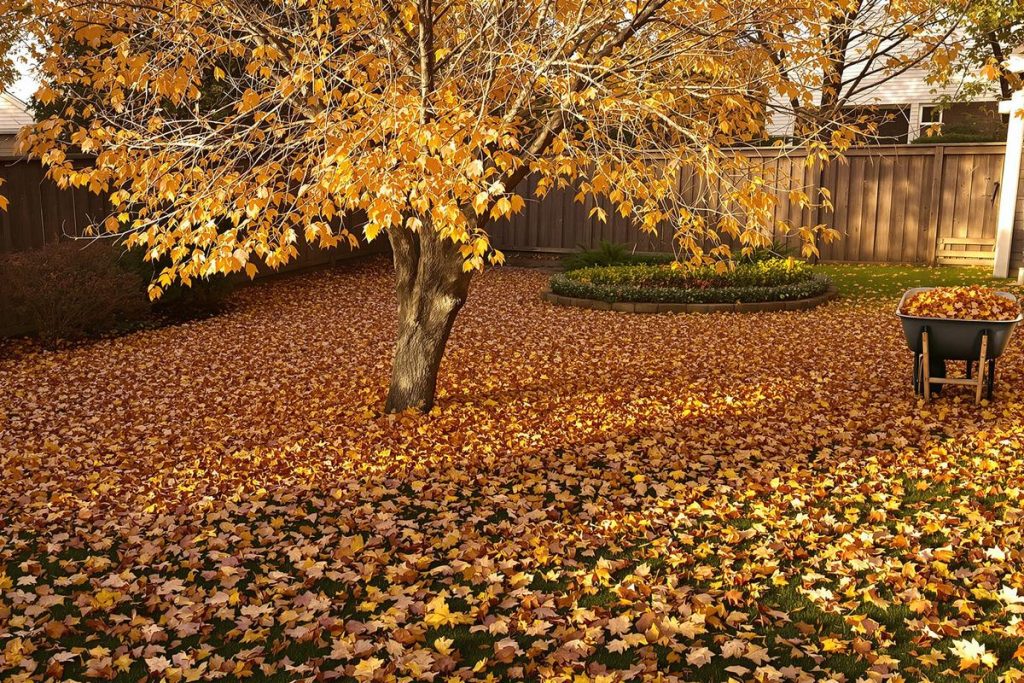
That gorgeous carpet of golden leaves in your yard might look like seasonal clutter—but gardening experts say the real mistake is what you do next. If you’re still raking and bagging every last leaf, thinking you’re protecting your lawn, you’re likely doing more harm than good. This common habit can quietly rob your soil of the nutrients and structure it needs to thrive.
Why removing autumn leaves can damage your garden
For decades, fall cleanup meant only one thing: rake, bag, and toss. But digging into the science tells a different story. When you remove all your fallen leaves, you’re stripping the ground of natural organic matter. That means fewer nutrients for your plants next spring and weaker, more compacted soil year after year.
Here’s the chain reaction gardeners often miss:
- Less organic matter: Soil becomes thinner and loses structure.
- Increased compaction: Roots struggle for air and space.
- Higher input needs: More fertilizer, more watering, more work.
- Lower biodiversity: Fewer earthworms and beneficial microbes.
All these issues can make gardens more fragile in heatwaves, during heavy rain, or in drought conditions. So while your yard may look clean, your soil is slowly starving.
What’s actually in those leaves?
Fallen leaves are far from garden trash—they’re packed with nutrients gathered by trees over the whole growing season. Experts call them “brown gold”.
They contain essential minerals like:
- Nitrogen
- Phosphorus
- Potassium
- Calcium
- Trace elements pulled from deep in the soil
On a forest floor, no one clears the leaves. Instead, they slowly decompose into humus—a rich, spongy top layer that holds moisture, feeds microbes, and gives structure to soil. When you remove leaves entirely, you block that natural cycle in your garden.
When it’s okay to rake—and when to leave the leaves
Experts don’t say stop raking altogether. In some areas, leaf buildup can cause problems. But understanding where and when to rake makes all the difference.
| Garden area | What to do |
|---|---|
| Main lawn | Remove heavy mats. Shred and spread thinly as compost or mulch. |
| Flower beds | Keep most leaves. Only clear thick piles near plant crowns. |
| Paths and patios | Clear for safety. Use leaves for compost. |
| Under trees, hedges | Leave them. This mimics a healthy woodland edge. |
If your lawn ends up with thick, soggy layers that block air and light, rake them up. But instead of sending them to a landfill, use them in smarter ways.
Better options: turn leaves into free garden gold
This year, try to keep your leaves on-site—and turn them into powerful garden helpers. You’ve got two great options:
1. Make leaf mould
Leaf mould is simply decomposed leaves. It’s not high in nutrients, but it’s fantastic for holding moisture and improving soil texture.
Here’s how to make it:
- Pile dry leaves in a wire cage or large breathable bag.
- Sprinkle water if they feel dry.
- Leave them to break down for 12–24 months.
- Use the crumbly dark material as mulch or soil conditioner.
This slow breakdown mimics nature and delivers rich, spongy material similar to woodland humus.
2. Shred and mulch now
If you don’t want to wait years, a quicker fix is shredded leaf mulch. Use a leaf shredder or lawn mower to chop leaves, then:
- Spread 2–5 cm around shrubs, trees, and flower borders.
- Keep clear of stem bases to prevent rot.
Shredded leaves break down faster, reduce weeds, hold soil moisture, and give shelter to insects like ground beetles and spiders.
Help local wildlife by leaving the leaves
Clearing every leaf also means sweeping away shelter for important wildlife. Leaf litter acts as a winter home for:
- Butterflies and moths
- Beetles and spiders
- Frogs, toads, and even hedgehogs
Without this cover, many of these creatures don’t survive winter. That not only affects biodiversity—it also reduces the insect predators that balance pests in spring.
How to balance tidy lawns with soil health
Worried your garden will look messy? Experts recommend creating zones:
- Show zone: Neat, visible spaces for visitors or neighbours
- Soft zone: Leaves thinned, not removed entirely
- Wild zone: Leaves left to build healthy soil and shelter wildlife
This approach keeps your garden looking cared-for while giving nature what it needs.
In 10 years, your soil will thank you
Changing how you handle autumn leaves won’t give instant results, but over time the benefits multiply. Gardens that keep their leaves tend to build:
- Deeper, loamier soil
- More earthworms and microbial life
- Less compaction—fewer puddles and cracks
- Better resilience in storms and dry spells
On the flip side, gardens that lose organic matter every year become more dependent on store-bought fertilizers and constant watering.
So next time you reach for the rake, pause. The leaves at your feet could be your garden’s greatest gift.