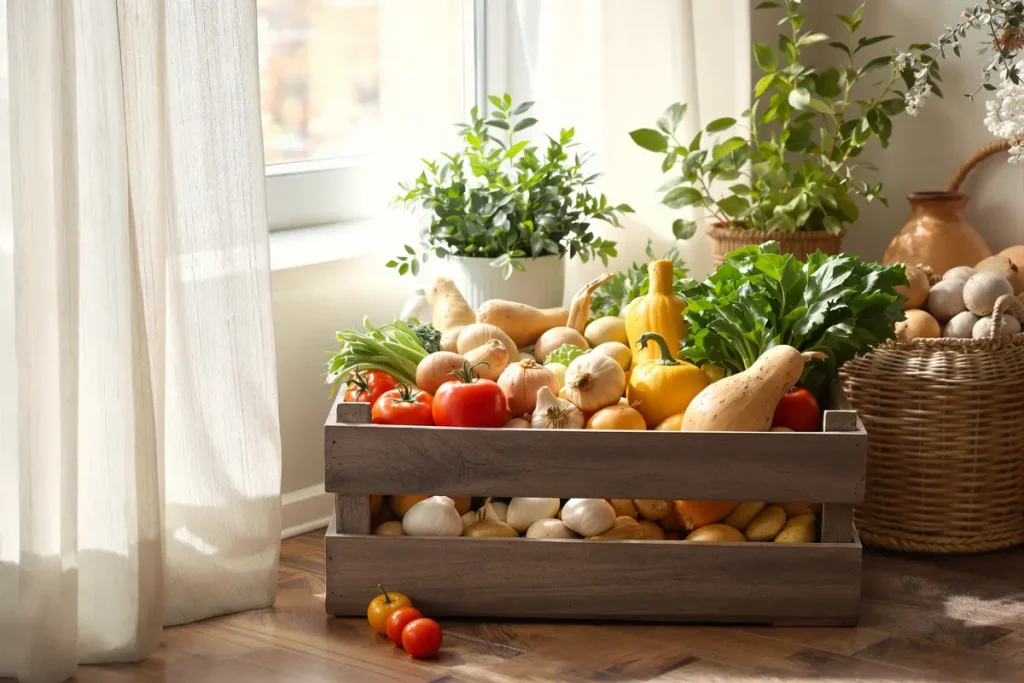
Do you always toss all your veggies in the fridge as soon as you get home in winter? You’re not alone. But here’s a surprise—this well-meaning habit might actually be ruining some of your favorite produce faster than you think. That chill inside the fridge feels like the safe choice, but it can quietly backfire. The real fix might just be sitting in your hallway or pantry. Yes, really.
Why the fridge isn’t always your friend in winter
Winter brings cold temps outside and heaters inside. Still, our first instinct is the fridge—especially for “fresh” foods. But that cold, humid environment can spoil hardy vegetables faster than a chilly corner in your home. It all comes down to how each veggie is built and where it thrives.
Fridges average 3–5°C. Great for dairy or leftovers. But for some vegetables—especially potatoes, onions, garlic, and tomatoes—that temperature is too cold. Here’s what happens:
- Potatoes turn sweet and spongy because cold converts their starches to sugar.
- Onions and garlic can start sprouting or molding in the fridge’s humidity.
- Tomatoes become grainy and tasteless when chilled too much.
- Squash and aubergines develop soft spots and mold from excess moisture and cold shock.
These aren’t freak accidents. They’re natural reactions. Vegetables are still alive after harvest; they keep breathing and changing. Too much cold + too much humidity = bad news for the ones that prefer dry or moderate storage.
Your home already has a better storage spot
Here’s the twist: most homes, even small flats, have better veggie storage than your fridge—and you probably walk past it every day. Think hallways, floor-level pantries, unheated laundry areas, or spots near a north-facing window.
These places often sit between 5°C and 12°C in winter, which is ideal for many winter vegetables. That’s what root cellars were before modern fridges came along: naturally cool, dry spaces.
Try this test:
- Leave a thermometer in different spots overnight—by the back door, in the pantry, under the stairs.
- Find your “winter cold room”—a place that stays cool but doesn’t freeze.
That’s where your potatoes, onions, garlic, squash, beets, carrots, and cabbages can thrive.
The simple system: sort into three veggie zones
To avoid losing your veggies to mush and mold, follow this quick system when you unpack groceries:
1. Cold-lovers (go in the fridge)
- Spinach
- Salad greens
- Fresh herbs
- Mushrooms
- Any cut vegetables
2. Fridge-haters (store in your winter cold room)
- Potatoes
- Onions
- Garlic
- Winter squash
- Tomatoes
- Aubergines
3. Middle ground veggies (either fridge or cool room)
- Carrots
- Beets
- Cabbages
- Leeks
This takes less than five minutes. You’ll prevent spoilage, save fridge space, and reduce waste without needing fancy bins or airtight containers.
Real-world result: longer shelf life, less guilt
A Paris couple recently tested this. They split their winter veggies—half went into the fridge, half near a balcony door at 9°C. After three weeks, the “balcony box” potatoes were still firm. The fridge ones? Wrinkled, sweet-tasting, and starting to sprout. Tomatoes outside stayed flavorful. Inside, they turned pale and mushy.
Once they saw the difference, they changed how they shopped and stored food. Less waste. More confidence. Healthier meals without rushed repurchases.
Quick storage lessons you’ll actually remember
Forget the fridge-is-best myth. These quick pointers will help you store smarter every time:
| Type | How to Store in Winter |
|---|---|
| Potatoes | Cool, dark area (7–10°C); not in the fridge |
| Tomatoes | Counter or cool room; avoid below 10°C |
| Onions & Garlic | Dry, ventilated place; around 10–15°C |
| Winter Squash | Cool but not cold, dry shelf (10–12°C) |
| Carrots & Beets | Fridge or cool pantry, in a breathable bag |
Make it foolproof even on busy days
You’re not lazy—you’re just trying to get dinner on the table. So make vegetable storage second nature:
- Keep one big box under a counter for “no-fridge” veggies.
- Stick a note on your fridge: “Don’t chill: potatoes, onions, garlic, squash, tomatoes”.
- Group and store as soon as you unpack—before the fridge is even opened.
That tiny shift changes everything. It keeps veggies appealing for longer. It tells your budget you care. And it lets your future self enjoy better meals without the guilt of waste.
The fridge is a tool, not the rule
Fridges are amazing. But they’re not magic boxes where freshness lives forever. In winter, your home’s natural cool spots can actually do a better job. It’s not about perfection—it’s about attention.
Let your kitchen reflect the season. When it’s cold outside, your vegetables don’t need a deep freeze—they need the right kind of chill. And when you store them right, you don’t just extend their life. You honor the work that went into growing them. You protect your budget. You respect your time.
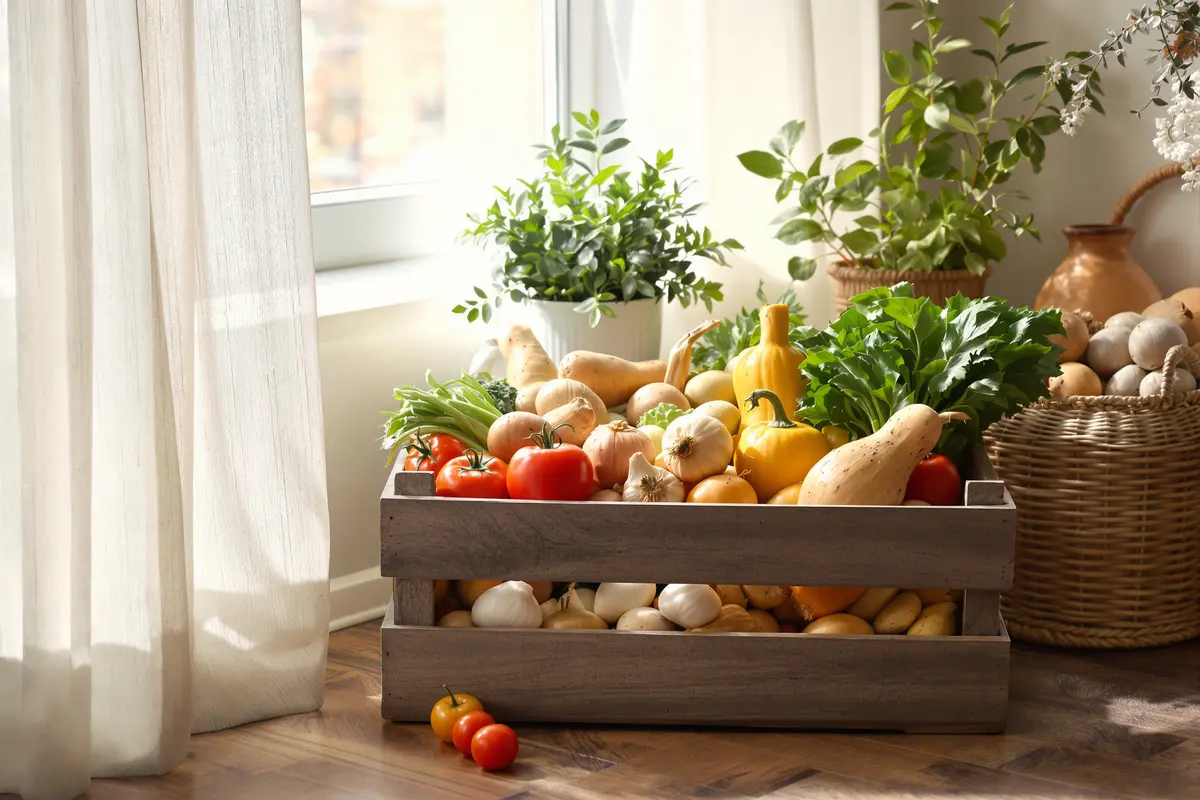
So next time you’re unpacking groceries on a cold January night, pause before you open the fridge. You might just find that a wooden crate near the window does a better job than anything humming behind a door.