
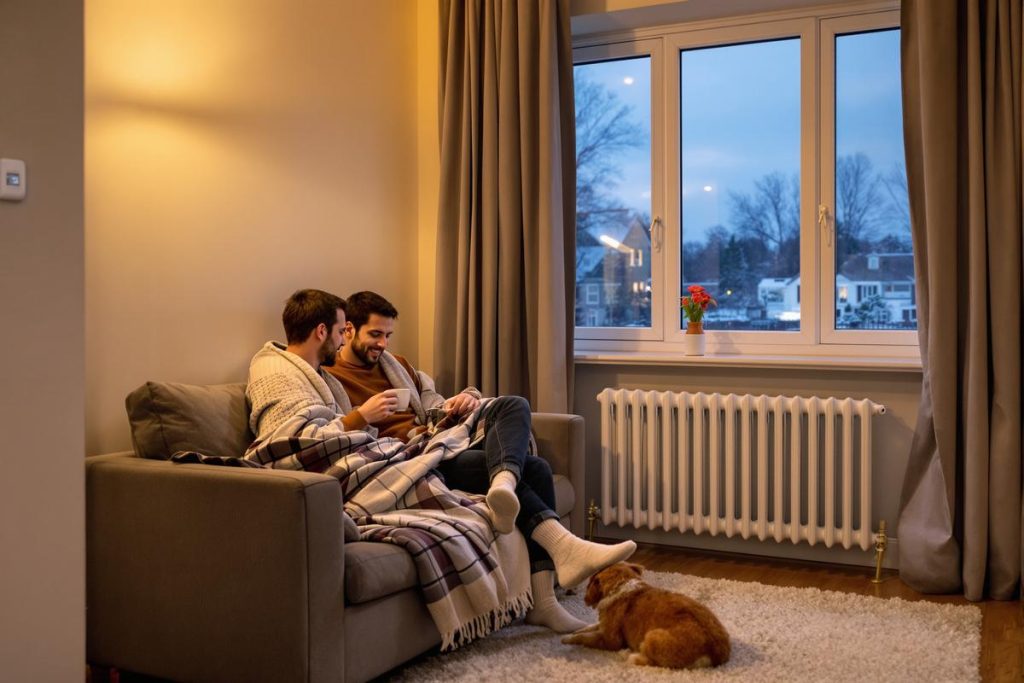
For years, you’ve probably heard this rule: set your thermostat to 19°C in winter, and you’re doing it right. But experts now say that number may no longer make sense for today’s homes, bodies, and rising energy costs. So, what should you be doing instead? Let’s dig in.
Where did the 19°C rule come from?
If you grew up in the 70s or 80s, 19°C was everywhere. This number spread across Europe as part of public health and energy-saving campaigns. The idea was simple: keep your living spaces warm enough to stay healthy, but not so warm that you waste fuel. Add a sweater, and everyone wins.
But that rule assumed a lot. Homes back then were often built the same way, and winters were more predictable. Most people had similar daily routines and health risks. Times have changed—and so should our heating habits.
Why experts say one temperature no longer fits all
Today’s homes and lifestyles are far more diverse. That one-size-fits-all rule is now considered outdated. Experts now recommend flexible comfort ranges instead of a strict number.
A range that actually works
Modern research shows that comfort for healthy adults usually falls between 18°C and 22°C, depending on your activity, clothes and even room humidity. Bedrooms can be cooler—around 16–19°C works well for most people at night.
If you’re just sitting and working all day, you may feel chilly at 19°C. But if you’re cooking or cleaning, you might feel just fine at 18°C or less.
Your home isn’t like your neighbor’s
Old stone homes, new apartments, loft conversions—all hold heat differently. A sleek flat with triple-glazed windows can stay comfy at 19°C. But a drafty 100-year-old house might feel icy at the same setting.
Zoned heating, smart thermostats and heat pumps also play a role today. You can now heat each room differently based on time and use. That means a single thermostat number no longer makes sense.
Health comes first—especially for vulnerable people
Doctors are clear: cold homes carry real health risks. Older adults, children, and people with heart or lung issues are especially vulnerable.
- Anyone with heart or breathing conditions should stay above 18°C.
- For seniors and toddlers, experts recommend 20–21°C in living areas during the day.
- Sudden drops in temperature at night put more strain on your body than holding warmth steadily.
Bottom line: comfort is not a luxury—it’s a health necessity for many.
The mental side of feeling warm
Ever felt chilly at home even though the thermostat says you’re fine? That’s because comfort isn’t just physical. It’s also about expectations and habits.
If you’ve always believed that 22°C is “normal,” 19°C will feel cold, even if your body’s okay with it. But simple habits—like wearing slippers, using throw blankets, or closing thick curtains—can make 19°C feel downright cozy.
What to do instead: Smart heating strategies
Experts now suggest moving away from blanket heating and toward something smarter: heating the right places at the right times, and adjusting as needed.
Think in zones and schedules
| Zone | Recommended Range | When to Heat |
|---|---|---|
| Living room / Home office | 19–21°C | Day and evening |
| Bedrooms | 16–19°C | Night and early morning |
| Hallways | 16–18°C | Only during cold snaps |
| Seldom-used rooms | 14–16°C | Frost protection only |
If someone in your home has health concerns, you’ll likely need to add 1–2 extra degrees to those numbers in the spaces where they spend time.
Use clothing and fabrics to stretch comfort
A big part of the equation isn’t even the thermostat. It’s what you wear and how your home holds heat. Thick socks, a jumper and layered fabrics can keep you warm without turning up the dial.
Thick curtains, draft stoppers and rugs also cut cold air flow. These small touches make every degree count.
Control your thermostat like an expert
Instead of big swings, try gradual shifts. Lower your setting by 1°C for a week. See if anyone notices. Most often, people adjust without discomfort—and you save on energy.
Using smart timers and zoning can also let you heat less when away or sleeping, without coming home to a cold house.
Heating costs, carbon impact and simple home fixes
With energy bills rising, many households face a tough choice: stay warm or save money. But cutting too much can lead to cold, damp homes—linked to mould, joint pain and respiratory problems.
The climate takeaway
Turning down the heat isn’t just about your wallet. Lowering your thermostat by 1°C can cut gas use by up to 10%, depending on your insulation. But the timing matters too. Lowering heat during peak hours reduces power grid stress and pollution more than just keeping things low 24/7.
Quick fixes that work
Before you even touch the thermostat, check these:
- Seal gaps around windows and doors
- Bleed radiators to spread heat evenly
- Lower boiler flow temperatures—many are set too high
- Add radiator reflectors to outside walls
Bigger steps like loft insulation and window upgrades bring the most rewards. They also widen your comfort range, so even 18°C can feel warm.
The future of heating is flexible
The 19°C rule might’ve made sense a generation ago. But now? It’s too rigid for today’s homes, lives, and energy reality. The best approach is smarter, more personalized heating—based on who you are, where you live, and when you need warmth.
By focusing on comfort zones, healthy ranges, and small behavior changes, you can stay warm, cut costs and protect your health—all without chasing a single number on the thermostat.